You are currently viewing מפגש מקוון 16 של "הבמה לחקר רוחניות עכשווית ואלטרנטיבית"
מפגש 16 של "הבמה לחקר רוחניות עכשווית ואלטרנטיבית"

יום שלישי | 28/04/2026 | י"א אייר תשפ"ו | 11:00 עד 12:30

למידע כללי על 'הבמה' – הקישו כאן.

הצגת מחקרים אקדמיים

על המרצה

Ephraim Meir is Professor emeritus of Modern Jewish Philosophy at Bar-Ilan University.
From 2009 until 2017, he was the Levinas guest Professor for Jewish Dialogue Studies and Interreligious Theology at the Academy of World Religions, University of Hamburg. From August until December 2018, he was a research fellow at the Center of Theological Inquiry in Princeton. For a few months in 2021 and 2022 he was a research fellow at the Stellenbosch Institute for Advanced Study, South Africa. He is former President of the Internationale Rosenzweig-Gesellschaft. 
Among his latest works published by Idra in 2024: Gandhi and Jewish Philosophers. Trans-different Encounters and Interreligious Theology. Its Value and Mooring in modern Jewish Philosophy (Hebrew).

תקציר

In this study, I analyze how reflections on the "one" appear in different cultures. Thoughts on the "one" in several worldviews show similarities but also dissimilarities that should not be neglected. More specifically, I juxtapose Arthur Green's neo-mystic "oneness" with Anantanand Rambachan's Hindu view on the one and the many and with Thich Nhat Hanh's insights on inter-being and on "one" and "many" as mere mental constructs. I clarify what each of these three thinkers means by "one" in, respectively, their Jewish, Hindu and Buddhist thoughts.

רפרנס

What Do a Jew, a Hindu and a Buddhist Mean by ‘One’? Trans-Different
Reflections, Religions 2025, 16(11), 1349. https://doi.org/10.3390/rel16111349

קישורים

For more information, see https://www.ephraimmeir.com | https://biu.academia.edu


על המרצה

ד"ר אסף תמרי הוא היסטוריון העוסק בדרך כלל בהיסטוריה האינטלקטואלית של יהודים במזרח אגן הים התיכון בראשית העת החדשה, ובזיקות בין שיחים מדעיים, תיאולוגיים ופוליטיים, אך חוקר גם את התיאולוגיה הפוליטית העכשווית בין הים לנהר. מלמד במרכז האקדמי שלם ובעלמא- מכללה עברית.

תקציר

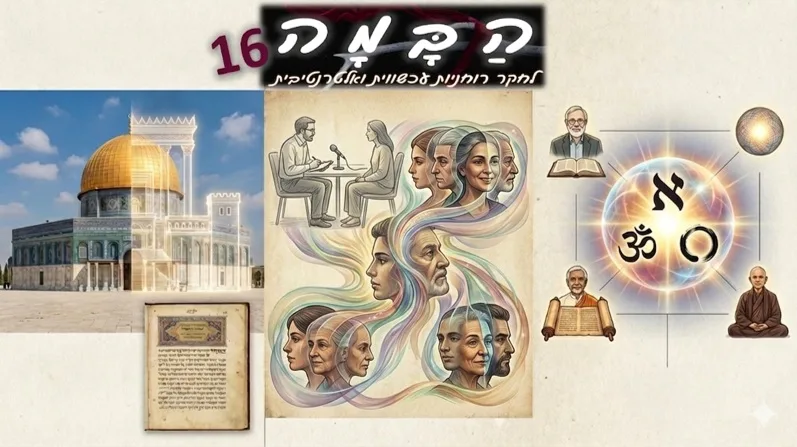
בהרצאה אבקש לבחון את הדמיון הפוליטי העכשווי של הר הבית, על רקע העלייה הדרמטית בעשורים האחרונים של השאיפות לבניית בית מקדש שלישי, במיוחד בציונות הדתית. אתמקד בדימויים הוויזואליים של פנטזיית ההחלפה של כיפת הסלע במקדש, ואשאל מה מקופל בחזונות האלה, ואילו אלטרנטיבות מוצעות בהוויה הישראלית ומעבר לה להר הבית כפנטזיה של מימוש טוטאלי של ריבונות, שמציעה תיאולוגיית הגשמה טמפורלית מאד ומצומצמת. ההרצאה תתחקה אחר היעלמותם של אופקי גאולה רחבים יותר, ולכן בחלקה השני תבחן אופק תיאולוגי אחר, המצוי במקורות יהודיים עות’מאניים מן העת החדשה המוקדמת, ומציע חזון אחר מאד.

רפרנס

Assaf Tamari, “The Political Imagination of the Temple Mount,” Political Theology, 2025.

קישורים

דף אקדמי: https://ybz.academia.edu/AssafTamari

על המרצה

פרופ' נורית זיידמן היא אנתרופולוגית, פרופ' מן המניין במחלקה למנהל עסקים באוניברסיטת בן גוריון. נורית חוקרת בין השאר השתלבות פרקטיקות רוחניות ועידן חדש בארגונים; הופעתם של מקצועות חדשים המקושרים עם רוחניות; וריטריטים

פרופ' מיכל פגיס היא מרצה בכירה במחלקה לסוציולוגיה ואנתרופולוגיה באוניברסיטת בר אילן

Michal Pagis is a professor of sociology at Bar Ilan University, Israel. She studies the transformations in self and identity in contemporary post-industrial culture with an emphasis on social spheres where religion, spirituality and therapy meet. Her published papers appeared in journals such as Social Psychology Quarterly, Work and Occupations and Sociology of Religion. She is the author of Inward: Vipassana Meditation and the Embodiment of the Self (University of Chicago Press, 2019).

תקציר

This study examines how practitioners of self-spirituality conceptualize their spiritual identity. On the basis of 62 in-depth interviews with secular Jewish Israelis engaged in various spiritual practices, we find that spiritual identity is constructed through a distinctive cultural logic we term disidentification—a systematic resistance to conventional markers of identity. Although participants affirm spirituality as central to “who I am,”they simultaneously reject understandings of identity as stable, coherent, socially anchored, constant, or distinctive. Each dimension involves a paradox: Practitioners find stability in commitment to remain unstable, achieve constancy through embracing intermittence, and construct coherent self-narratives around the refusal of coherence. We show how disidentification intersects with other salient identities, and how its paradoxical structure provides practical resources for navigating between spiritual aspirations and social demands. Contributing to debates on spiritual fluidity versus coherence, we demonstrate that fluidity itself constitutes the shared cultural logic of spiritual identity.

רפרנס

Zaidman, Nurit, & Michal Pagis (2026). The Paradoxes of the Spiritual Self: Disidentification as a Marker of Identity. Journal for the Scientific Study of Religion 00:1–12. https://doi.org/10.1111/jssr.70050

קישורים

לינק למאמר (פתוח לכולם): https://onlinelibrary.wiley.com/doi/full/10.1111/jssr.70050
מידע על מחקרי פרופ' זיידמן: https://cris.bgu.ac.il/en/publications/?search=nurit+zaidman
דף מרצה של פרופ' פגיס: https://sociology.biu.ac.il/node/777

סרטון המפגש (ותודה לנטליה גרויסמן על העריכה!)

כתיבת תגובה